


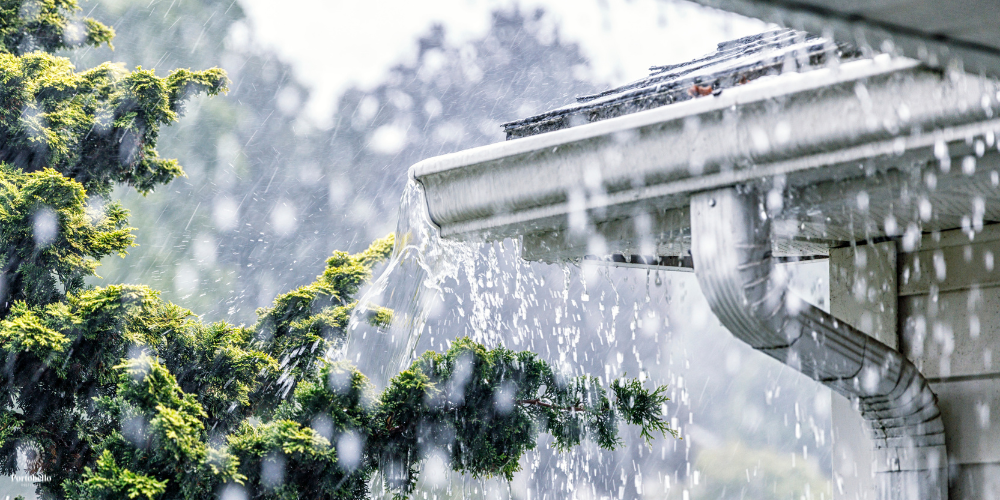
Facilities managers play a crucial role in ensuring buildings, assets, and occupants remain safe during severe weather events. Storms can bring high winds, flooding, and structural damage, leading to costly repairs and operational disruptions. Having a well-structured storm preparedness plan is essential for minimising risks and ensuring business continuity.
Key Steps for Effective Storm Preparedness
Before a storm hits, facilities managers should conduct a thorough risk assessment. Identify vulnerabilities in the building structure, such as weak roofing, windows, or drainage issues. Develop a detailed emergency response plan outlining:
-
Evacuation procedures.
-
Communication protocols.
-
Roles and responsibilities of the facilities team.
-
Emergency contacts and resources.
2. Regular Maintenance and Inspections
Routine maintenance can significantly reduce storm damage. Facilities managers should:
-
Inspect roofing, gutters, and drainage systems to ensure proper water flow.
-
Secure outdoor furniture, signage, and equipment.
-
Check backup power sources, such as generators, to ensure functionality.
-
Reinforce doors and windows to withstand strong winds.
3. Emergency Supplies and Equipment
Having essential supplies on hand is vital for responding to storm-related emergencies. Stock up on:
-
Flashlights and extra batteries
-
Sandbags for flood-prone areas
-
First-aid kits and emergency medical supplies
-
Fuel for backup generators
-
Non-perishable food and bottled water for extended disruptions
4. Communication and Coordination
Clear communication is critical before, during, and after a storm. Facilities managers should:
-
Establish a communication tree for staff and emergency responders.
-
Utilise mass notification systems to send real-time updates.
-
Keep employees and tenants informed about safety measures and potential risks.
5. Post-Storm Recovery and Assessment
After the storm passes, facilities managers should conduct a thorough damage assessment. Key steps include:
-
Inspecting the property for structural damage and safety hazards.
-
Coordinating with insurance providers for damage claims.
-
Documenting damage through photos and reports.
-
Implementing necessary repairs and improvements to prevent future issues.
Why Facilities Managers Should Stay Prepared
Storm preparedness is not just about reacting to emergencies - it’s about proactively safeguarding assets, ensuring safety, and minimising downtime. Facilities managers who implement comprehensive storm preparedness strategies contribute to the long-term resilience of their buildings and businesses.
At Portobello Institute, we offer professional courses that equip facilities managers with the knowledge and skills needed to handle emergencies effectively. Stay ahead of potential risks by investing in your professional development today!
Explore Our Facilities Management Courses
Learn more about our courses here and take the next step in your career.
Get Insider Updates: Join Now!
Join our mailing list to receive the latest insights and exclusive content from your chosen department of interest
.png?width=352&name=Feature%20image%20(34).png)
-3.png?width=352&name=Michelle%20-%20Blog%20Feature%20Images%20(3)-3.png)